AEROSPACE TECHNOLOGIES
Your browser is not supported.
For the best experience, please access this site using the latest version of the following browsers:



By closing this window you acknowledge that your experience on this website may be degraded.
From Apollo to Artemis II: Honeywell’s Ongoing Role in Human Space Missions
From Apollo to Artemis II: Honeywell’s Ongoing Role in Human Space Missions
Humanity is returning to lunar space with Honeywell technology supporting every step, from Artemis I to the deep-space missions ahead.

What You Will Learn in This Article
- How Honeywell’s technology has supported major human spaceflight missions, from Apollo to the Artemis program
- The significance of Artemis I and how it paved the way for future crewed lunar missions
- Honeywell’s critical role in enabling the Artemis II mission and advancing sustainable lunar exploration
A Legacy Written Across Space History
For decades, Honeywell has helped push the boundaries of crewed spaceflight, supporting missions that redefined what humans could do in space, from the earliest U.S mission to the next era of lunar exploration. As we prepare to return to the Moon, let’s revisit the milestones that shaped the path forward.
- Project Mercury (1959-1963):
NASA’s first manned space flight project, Project Mercury, consisted of six crewed missions and famously flew seven astronauts—known as the Mercury 7—the first Americans in space. In 1962, as part of the Mercury-Atlas 6 mission, John Glenn became the first U.S. astronaut to orbit Earth.
Honeywell engineers provided stabilization, navigation and environmental control systems for the capsules that carrried the first NASA crews into space.
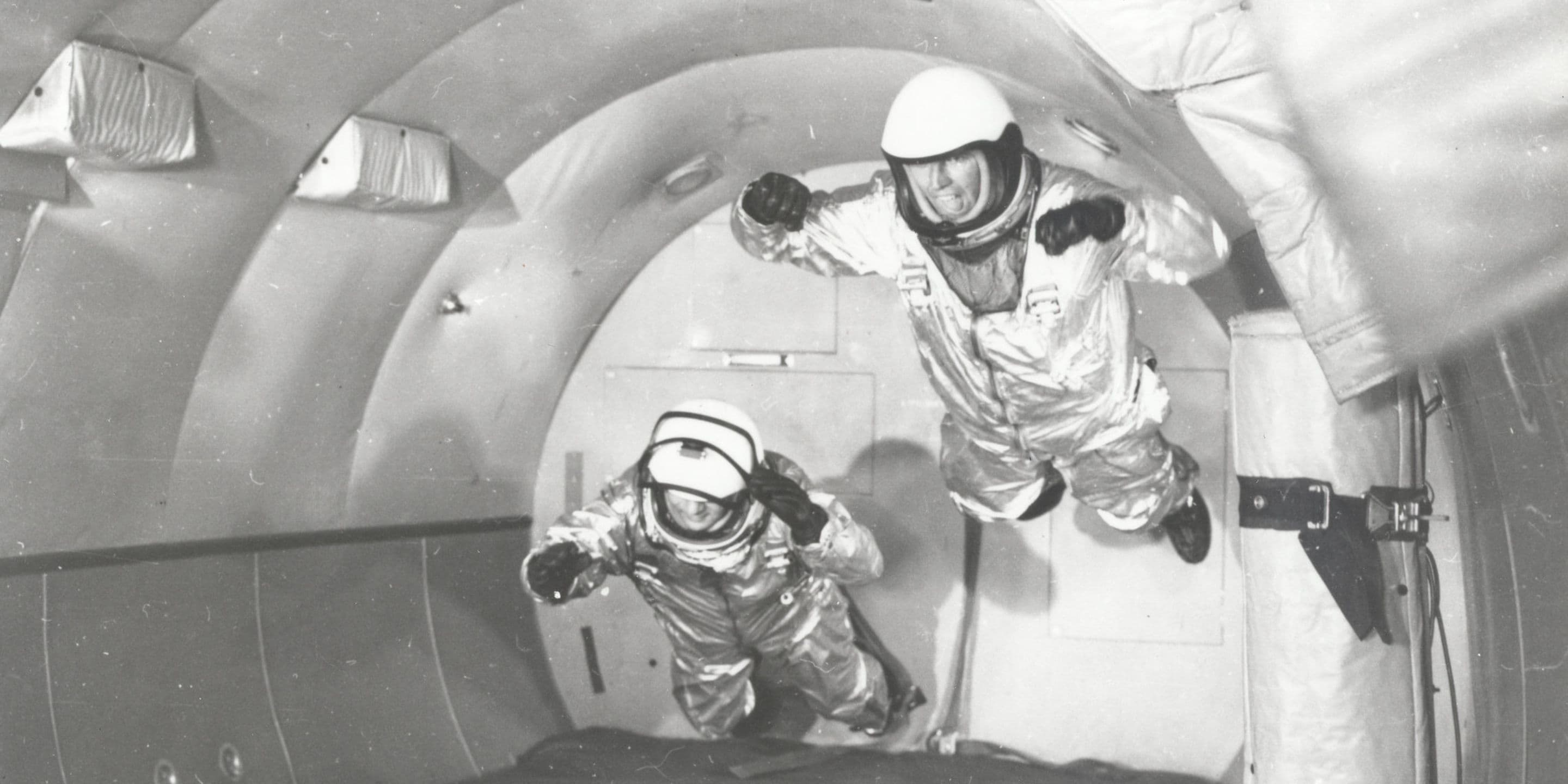
Astronauts in weightless flight simulation training for Mercury missions.
- Project Gemini (1965-1966):
During the Gemini 4 mission in 1965, Ed White became the first U.S. astronaut to complete a spacewalk. Gemini missions also served as preparation for the Apollo moon landings.
Honeywell engineers contributed to environmental control systems and electronics that helped spacecraft maneuver and adjust their orbits.

Source: NASA
- Apollo Program (1968-1975):
The Apollo program famously culminated in Apollo 11, when Neil Armstrong took “one small step for man, one giant leap for mankind.” Beyond this historic moment, Apollo established the technologies and capabilities that enabled scientific exploration of the Moon and demonstrated humanity’s ability to live and work beyond Earth.
Honeywell engineers played a critical role by designing and supplying stabilization and control systems, including environmental control systems that enabled astronauts to breathe, regulated cabin temperature and pressure, and supported life on the lunar surface. Honeywell also, contributed more than 50 displays, switches and warning devices to the lunar module.
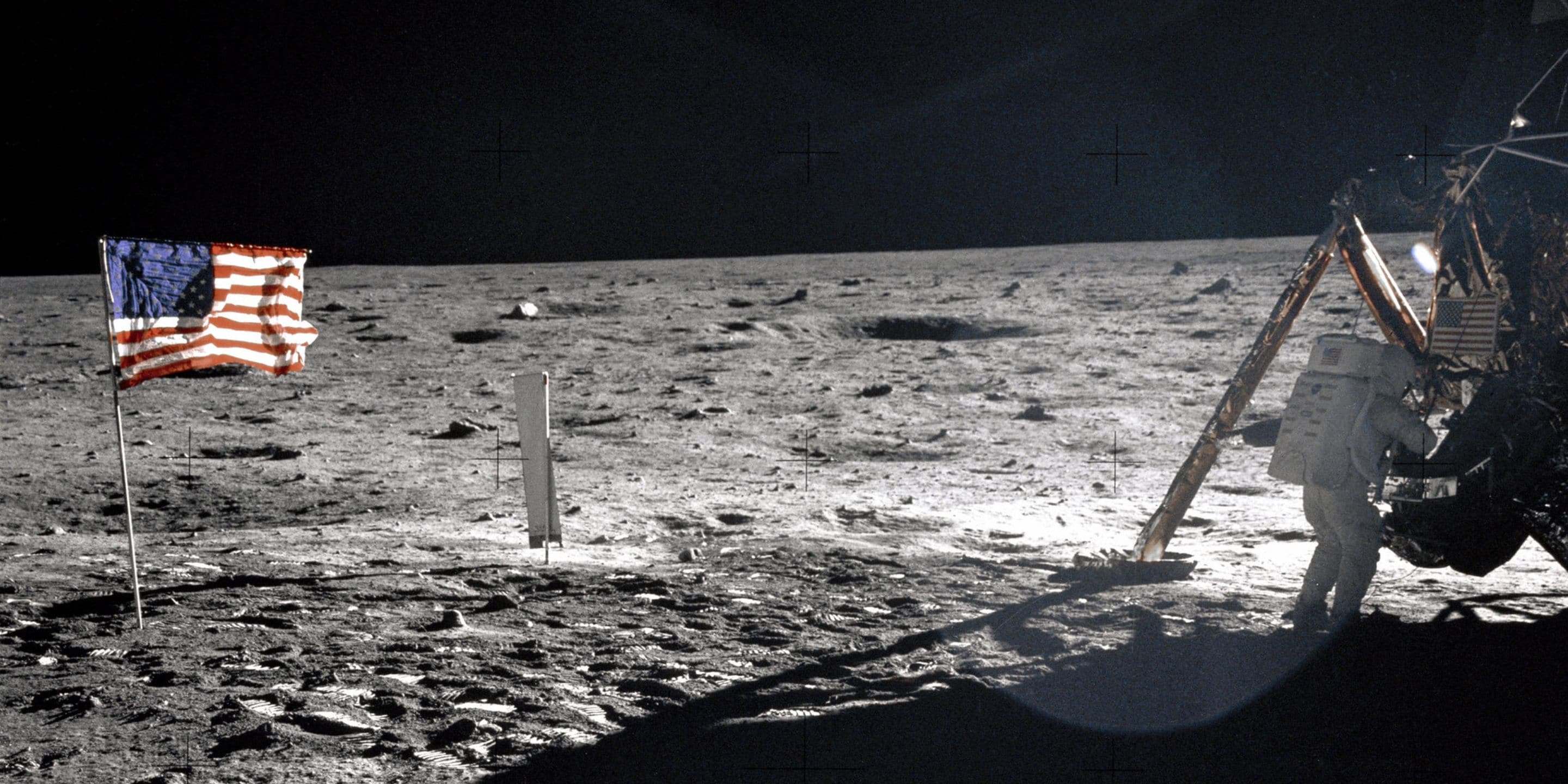
Neil Armstrong on the lunar surface. Source: NASA
- Space Shuttle Program (1981-2011):
The space shuttle served as the first reusable spacecraft, and the program helped construct the International Space Station.
Through advanced computing and flight control systems, Honeywell products supported decades of reusable spacecraft missions.
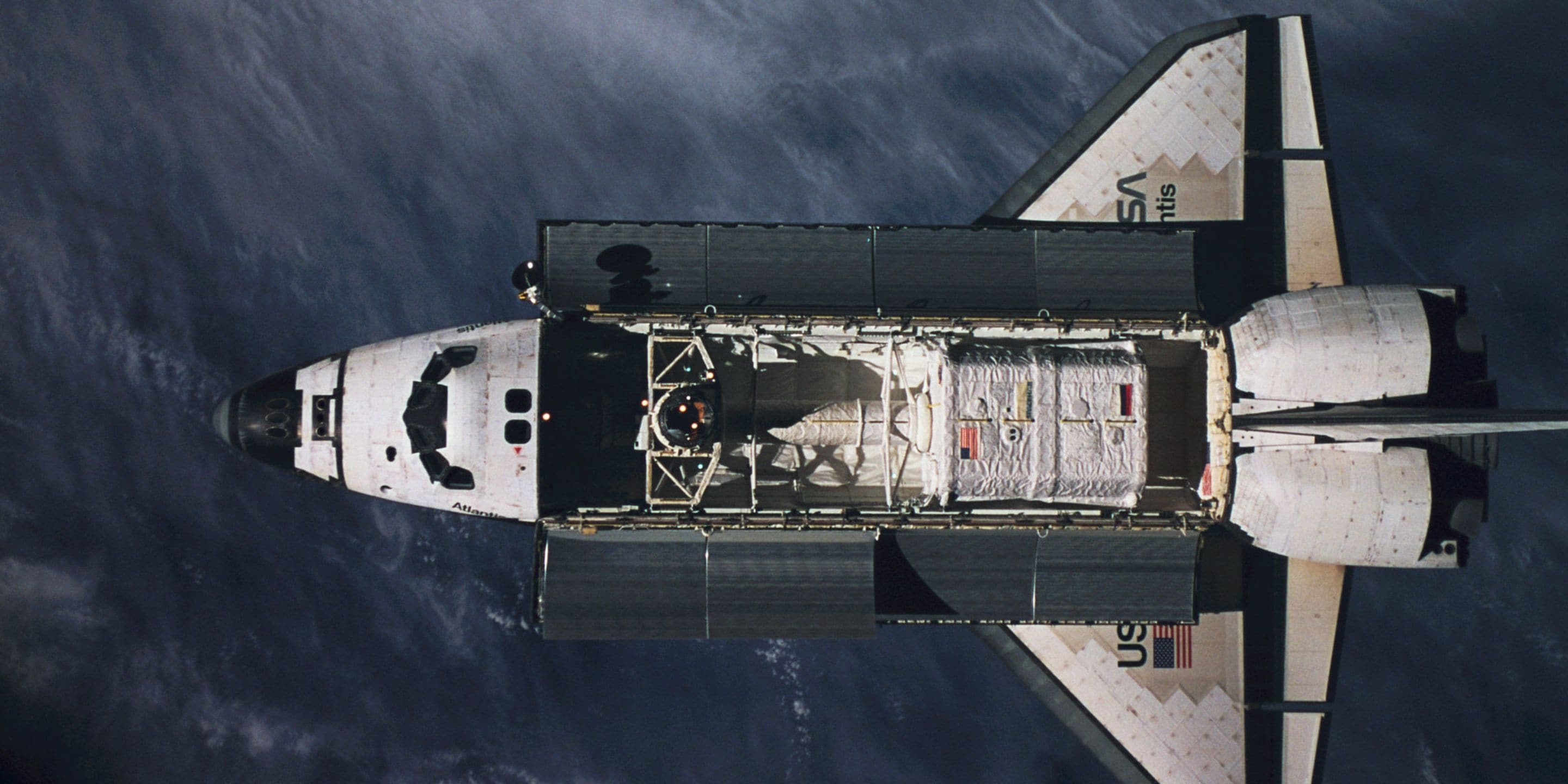
View of the approach of the STS-79 orbiter Atlantis. Source: NASA
- International Space Station (2000-present):
The International Space Station (ISS) is a large spacecraft in low orbit around the Earth that serves as a platform for research and has made it possible for humans to have an ongoing presence in space.
For more than 25 years, Honeywell solutions have helped maintain a continuous human presence in orbit, keeping astronauts safe and connected to Earth.
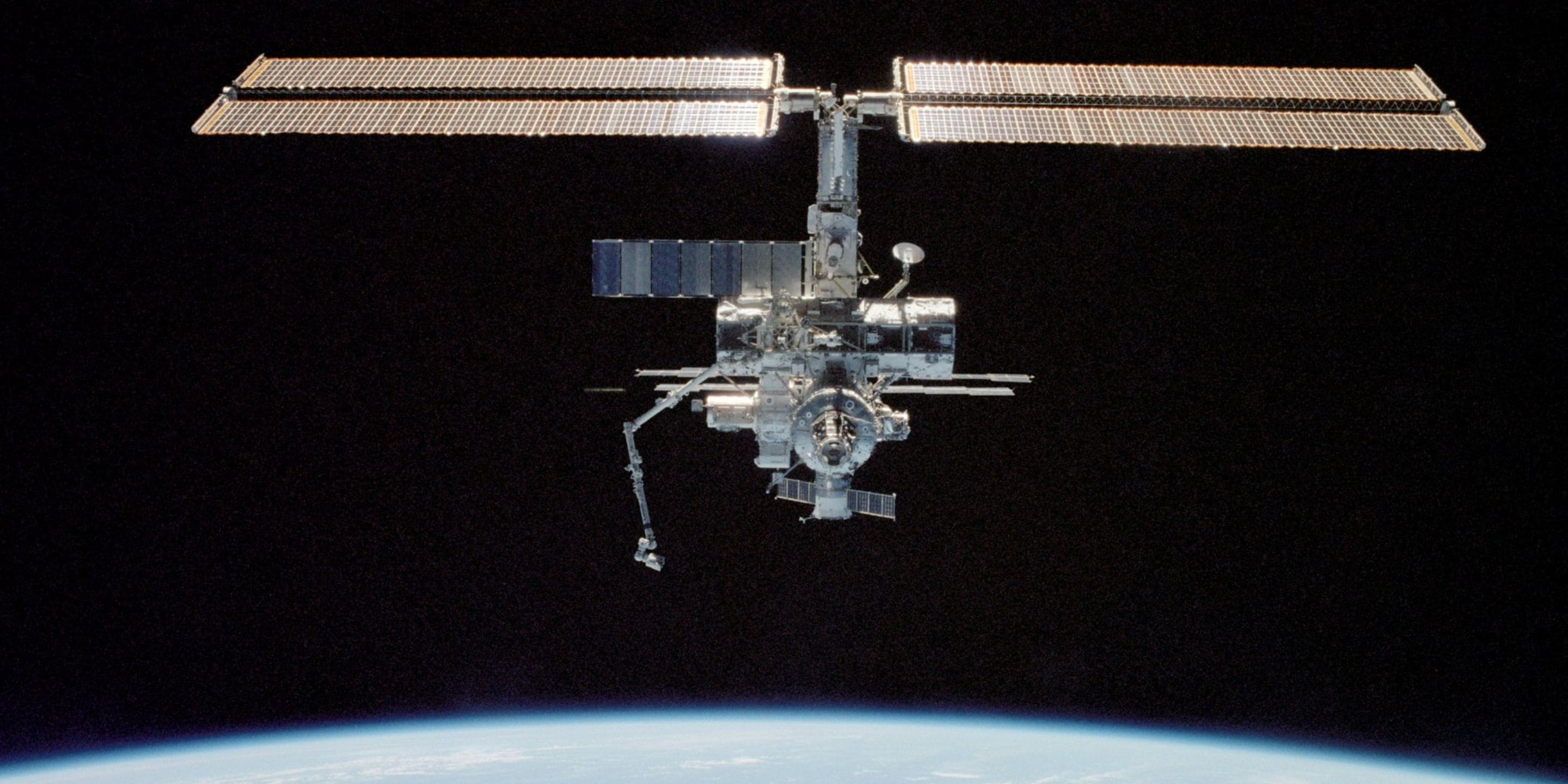
International Space Station. Source: NASA
Artemis I: A Historic Milestone
In late 2022, NASA successfully completed Artemis I, the first integrated test of the Orion spacecraft and Space Launch System (SLS) rocket. The uncrewed mission orbited the Moon and returned safely to Earth, validating systems that will support human crews on future flights.
Honeywell technology, including guidance and navigation systems, command data handling, advanced displays and controls, and flight software, all contributed to Artemis I’s mission readiness and performance.
Moving Forward: Honeywell and Artemis II
Artemis II is the first crewed mission of the Artemis program, marking a major step in deep space exploration. Planned as a lunar flyby, the mission will send four astronauts aboard the Space Launch System (SLS) rocket and Orion spacecraft on a multi-day journey beyond low Earth orbit.
The mission will test Orion’s life-support systems, navigation and crew operations in deep space, paving the way for Artemis III, the first human landing on the Moon since Apollo.
Honeywell Aerospace supports Artemis II by providing critical technologies for Orion as part of a long-term partnership with Lockheed Martin and NASA. We supply guidance and navigation systems, command and data handling hardware, displays and control units, and the core flight software. Together, these systems help Orion stay on course, manage mission data and allow astronauts to safely monitor and control the spacecraft.
Building Toward Sustainable Lunar Exploration:
Artemis II is more than a mission; it’s a steppingstone toward sustained lunar presence and future human missions to Mars. Honeywell technologies are designed to support this expanding frontier, helping NASA make long-term human spaceflight a reality.
As NASA’s Artemis program progresses, Honeywell remains committed to delivering the hardware, software and innovative systems that help make human exploration of deep space possible—honoring a legacy of exploration while powering humanity’s next giant leap.
Let's Connect!
The latest news in aerospace backed by expert insights
Sign up to receive the latest news about events, special offers and related topics via email and other forms of electronic communication.